


Osteochondrosis of the neck is a disease that leads to deformation of the intervertebral discs.The disease has terrible complications.Osteochondrosis, which is not treated in a timely manner and which the patient treats on his own, often leads to complications in the form of hernias that form between the vertebrae.Complications are treated surgically.
Causes of osteochondrosis
Characteristic factors:
- sedentary lifestyle;
- injuries;
- incorrect posture;
- impaired metabolism;
- extra pounds;
- genetic predisposition;
- Smoking and alcohol abuse.
Most patients who see a doctor suffer from a complicated form of osteochondrosis.The patients suffer from severe pain and partial restriction of movement.Few people pay attention to the first signs of the disease, the causes of neck osteochondrosis in order to prevent the manifestation of the disease.
Symptoms of the disease
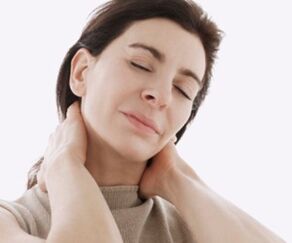
Symptoms of the disease:
- Pain often occurs for no reason.After sleeping, a person often finds it difficult to turn over in bed and the movement leads to pain in the neck.It is attributed to the wrong pillow and wrong head position while sleeping.The pain syndrome does not go away.The nature of the pain is constant and is aggravated by sudden head turns, coughing, sneezing and periodically.
- Sometimes pain occurs suddenly, regardless of the time of day.The pain manifests itself as a sharp “stinging”, a slight tingling sensation.
- Symptoms of neck osteochondrosis include difficulty breathing and difficulty swallowing.Patients complain of a lumpy feeling in the throat and difficulty breathing, especially when trying to take a deep breath.
As the disease worsens, neck mobility is often limited.Moving the head causes severe pain.
The disease manifests itself through headaches.With osteochondrosis, the roots of nerve endings and blood vessels are pinched.Blood flow to the brain deteriorates, leading to headaches.They are permanent, taking painkillers does not show results.
Danger of osteochondrosis
The disease manifests itself at any age.The younger the body, the sadder the consequences of an advanced form of osteochondrosis.Emerging consequences:
- Protrusion, protrusion of the vertebrae in the neck area;
- hernias;
- Osteophytes that cause problems with the arteries of the spine.
A visit to the doctor, comprehensive treatment and an accurate diagnosis will help you avoid complications.Even a doctor will not make a diagnosis without a thorough examination using special equipment.Depending on the type of disease, the doctor will prescribe an X-ray or MRI scan.
Self-medication is not recommended.The procedures recommended by relatives and friends will cause you more harm than good.
Sometimes procedures are contraindicated for the patient due to complications identified during diagnosis.The treatment of neck osteochondrosis is complex.When prescribing medications and physiotherapy, the doctor takes into account possible complications and contraindications.Taking into account the information received, an individual treatment program is drawn up.
Treatment of osteochondrosis

In severe cases, when neck mobility is limited, the patient may be hospitalized.In other cases, treatment is initially aimed at relieving attacks of pain, relieving the inflammatory process and restoring normal tone of the neck muscles.
During an exacerbation, it is important to maintain the correct position of the neck.Often this is impossible;A person is physically unable to constantly monitor the position of his head.With osteochondrosis, the doctor will prescribe wearing a special neck corset.
Function – maintaining the correct position of the neck and head during exacerbation of the disease.First you have to get used to the accessories;The corset does not cause any discomfort and is comfortable for severe neck pain.
Indications for wearing a corset are destruction of the intervertebral discs between the vertebrae, muscle paresis, accompanied by pain.A neck brace for osteochondrosis is prescribed by a doctor.It is not recommended to purchase or wear orthopedic devices without consulting a doctor.
When treating a disease, moderate physical activity and exercise therapy are considered effective ways to influence the disease.Physiotherapy improves metabolism, restores damaged intervertebral discs, restores mobility to the spine, and strengthens neck and back muscles.
If there is acute pain, exercises are excluded.When the pain gradually disappears, you should do the exercises carefully.If the pain gets worse during exercise, you should stop and try again after a while.
When performing a series of exercises from a physical therapy cycle, you should focus on the sensations.If discomfort or pain occurs, stop exercising and try to select movements that do not cause discomfort.
Diet for cervical osteochondrosis
The role of proper nutrition in complex treatments is important.Swelling of the neck with osteochondrosis is often associated with poor nutrition and abuse of spicy, fatty foods.
By choosing the right diet, you can provide the body with the necessary micronutrients and vitamins.Doctors often prescribe taking B vitamins in addition to medications and physical therapy.
Proper nutrition helps to obtain the necessary elements in the required quantity, complications from other organs are minimized.
Prevention of osteochondrosis
Osteochondrosis has become “younger” and has spread significantly.If people had consulted a doctor in time, the disease would not have spread so much.
Prevention – a healthy lifestyle, including a balanced diet and exercise.Exercise set:
- Morning massage of neck, back, arms, legs.
- Exercises from the physiotherapy complex - head rotations, jumps, swinging movements with arms and legs.
- Ten minute breaks at work.It is advisable not only to walk and stretch stiff muscles, but also to perform a series of exercises.
- Swimming is useful.
The food must contain proteins.It is recommended to eat vegetarian soups as a first course;Steam the second courses in a water bath.
Fatty, spicy foods are excluded.You should not overuse sweet foods.Drink at least 1 liter of fluid daily.Take a general blood test.Undergo additional examination.If the diagnosis reveals a deficiency of elements in the body, they should be taken additionally.
The success of treatment often depends on how the patient tries to maintain the positive treatment result.