


Spinal diseases are a serious pathology that alters the normal physiology of both the axial skeleton and the entire organism.Damage to just one region of the neck leads to disorders of the pituitary gland, the thyroid gland, the organs of vision and hearing, as well as the shoulder and elbow joints.Therefore, every person who cares about his health needs to know the reasons for the development of osteochondrosis of the cervical spine, its main symptoms, methods of treatment and prevention.
What is cervical osteochondrosis?
The human cervical spine consists of 7 vertebrae connected by elastic intervertebral discs.Normally, the vertebrae are close together, holding the head securely and participating in movement.The first signs of the disease appear in a person aged 25-45.Osteochondrosis of the cervical vertebrae occurs - a degenerative-dystrophic change in the intervertebral discs.Their decline leads to compression and displacement of nerves and blood vessels.If osteochondrosis is not treated, the disease begins to progress rapidly.
Causes of the development of cervical osteochondrosis
Let's consider the main causes of cervical osteochondrosis:
- lack of physical activity or, conversely, excessive stress;
- sedentary life, sedentary work;
- poor posture such as scoliosis;
- constant stress, nervous tension.
Other causes of cervical osteochondrosis include injuries, hereditary diseases: genetic predisposition, intrauterine trauma.
Symptoms of osteochondrosis of the cervical spine

The symptoms of cervical osteochondrosis are very diverse and depend on the stage of development of the disease:
| 1st degree | Symptoms are mild, sometimes including mild lumbago, sleep disturbances and headaches.However, minor initial signs do not cause great concern, which is why you should not consult a doctor. |
| 2nd degree | The photos show protrusions and a decrease in the height of the intervertebral discs.The pain becomes constant, stiffness and numbness appear in areas of the face and head.A cough occurs.Migraine pain develops, nausea and dizziness increase.Sleep is disturbed and fatigue increases.Impairments in cardiovascular activity are observed. |
| 3rd degree | The development of intervertebral hernias in cervical osteochondrosis leads to compression of neighboring tissues – vessels, nerves.Severe, aching pain occurs in the back of the head and neck, dizziness and nausea appear.Patients experience weakness and numbness in their hands.The muscle tone changes and tension occurs in the neck muscles.Patients develop sclerosis. |
| 4th degree | The appearance of osteophytes leads to narrowing of the intervertebral foramina, pinched nerves and joint damage.All symptoms intensify and become permanent.At this stage, the signs of osteochondrosis of the cervical spine decrease, as the vertebrae practically grow together and mobility decreases.Lack of treatment at this stage can lead to disability. |
Since the nerves reach certain organs from each vertebra, the localization of damage can be determined based on the clinical manifestations of the disease.
Cervical osteochondrosis syndrome

Osteochondrosis of the cervical spine involves compression and pinching of the spinal nerve roots.This pathology is rare.This is due to the fact that the collars are strong and hernial protrusions practically do not emerge from the intervertebral foramina.
Radicular syndromes
Radicular syndromes are caused by oxygen deficiency of the latter.
Irritable reflex syndromes
Irritable reflex syndromes are characterized by burning, stabbing pain in the occipital or neck area.It occurs when the head is moved after prolonged tension caused by a long, immobile state of the neck.In addition, unpleasant sensations appear in the chest and shoulder joints.
Cardiac syndrome
The cardiac syndrome is similar to angina pectoris.Patients complain of heart pain that occurs during physical or emotional stress.However, when examining cardiac function, no pathology is detected and cardiac medications do not bring relief.Cardiac syndrome develops in suspicious people with a tendency to phobias.For treatment, such patients may need the help of a psychotherapist or psychiatrist.
Why is cervical osteochondrosis dangerous?
Osteochondrosis of the cervical spine is an insidious disease.One of the biggest dangers is the narrowing of the coronary arteries, which can lead to a heart attack.
Severe headaches with osteochondrosis of the cervical spine lead to a deterioration in memory and performance, as well as the inability to perform professional tasks.
Changes to the vertebrae and intervertebral discs lead to numbness of the roots, which is accompanied by dysfunction of the corresponding organs or leads to disability.

Diagnosis of cervical osteochondrosis
If you have neck problems, you should consult a neurologist or orthopedist.The diagnosis of cervical osteochondrosis is made based on the patient's complaints, life history, examination and examination.
To clarify the diagnosis, it is necessary to carry out x-rays, computed tomography or magnetic resonance imaging to detect protrusions or hernias.If there are symptoms of cerebral circulatory disorder, ultrasound of the neck vessels, cerebral encephalography and fundus examination are performed.If there are a variety of complaints that also affect other organ systems, additional diagnostics are carried out and are prescribed by a cardiologist or rheumatologist.
How to treat cervical osteochondrosis?
Treatment of cervical osteochondrosis should always be comprehensive.All measures are aimed not only at eliminating pain, but also at eliminating other pathological symptoms.Treatment is carried out using the following methods and means:
- drug therapy;
- Massage;
- physiotherapy;
- unconventional methods;
- surgical procedure.

Drug treatment
Drug therapy for osteochondrosis is aimed at relieving pain in the cervical spine, restoring vascular blood circulation and maintaining motor and mental activity.Main groups of drugs:
| Nonsteroidal anti-inflammatory drugs | The drugs relieve inflammation, eliminate pain and have an antipyretic effect.
|
| Muscle relaxants | Reduce muscle tone and cramps. |
| Vascular medications | They improve blood circulation in the vessels, relieve headaches, dizziness, tinnitus, flashing “sights” and help restore memory. |
| Venotonics | Venotonics are prescribed if there is a violation of venous blood circulation in the head. |
| Antispasmodics | Reduces cerebral vascular spasms. |
| General tonics: Ginkgo biloba, ginseng | Prescribed for alcohol hypotension. |
| Serotonin receptor agonists | Increases arterial tone. |
| Neurotropics | Prescribed for dizziness and tinnitus. |
| Diuretics | Reduces swelling in trapped tissue. |
| Chondroprotectors | Prevents the destruction of cartilage tissue and intervertebral discs. |
| Sedatives and antidepressants | Reduce nervous tension, anxiety, depression, depression and increased fatigue. |
| B vitamins, complex vitamin preparations | Improves the trophism (nutrition) of cartilage and nervous tissue.Prescribed in the form of tablets or injections (during an exacerbation). |
Attention: Drugs for the treatment of osteochondrosis, in addition to their therapeutic effect, can also have side effects and serious contraindications.Therefore, under no circumstances should you self-medicate.Only a specialist, a neurologist, can prescribe the necessary medications, select the dose individually and determine the duration of taking the medication.
First aid for a disease in the stage of severe exacerbation is therapeutic and drug blocks, which only a specialist is authorized to carry out.
Surgical treatment of osteochondrosis
Surgical treatment for cervical osteochondrosis is prescribed only in extreme cases, for example, with the formation of osteophytes (marginal growths of the bone tissue of the vertebrae), spondylolisthesis (displacement of the vertebrae) or stenosis (narrowing) of the spinal canal.Surgery is only prescribed if all other treatment methods have not shown a positive effect.
The procedures are carried out as gently as possible using microsurgical instruments and a microscope.Surgeons most often perform endoscopic surgeries or microdiscectomies.During the operation, ligaments are excised, affected vertebral fragments are removed, and fracture protrusions are removed.The postoperative period is usually long, but the prognosis for rehabilitation is favorable.
massage
Massage performed outside the exacerbation phase is prescribed to consolidate the therapeutic effect or for preventive purposes.It is usually prescribed several times a year in 10-14 sessions.Purpose of the massage:
- improve lymph flow;
- normalize blood circulation;
- relax the neck muscles and collar area;
- improving the nutrition of cartilage tissue;
- prevent further development of the disease;
- reduce the risk of relapse.

Only the doctor decides which massage to choose - manual or mechanical, which also helps well with cervical osteochondrosis.
Physiotherapy
Physiotherapeutic procedures complement other types of treatment and have a positive effect on the health of the cervical spine.In the remission stage, physiotherapeutic procedures are prescribed that relieve pain, relieve muscle spasms, strengthen muscles and restore motor activity.For osteochondrosis, the following are most often used:
- balneotherapy;
- detensor therapy;
- laser therapy;
- magnetic field therapy;
- UV therapy.

Unconventional treatment methods
Non-traditional treatment methods complement the official ones and help to quickly cope with problems of the cervical spine.
- Acupuncture.Inserting needles into specific, painful points along the spine relieves muscle tension, relieves pain, reduces inflammation, and improves blood circulation.
- Dry or underwater extraction.It is prescribed to raise the vertebrae and increase the distance between them.Thanks to this procedure, pain subsides, blood circulation is restored, and the load on the joints is reduced.
- Needle applicator.The needle-shaped tips of the applicator act on active points of the cervical spine, restoring function and reducing inflammatory processes in muscle and cartilage tissue.
- Leech.Not very attractive in appearance, but medicinal leeches have a unique saliva, the components of which relax muscles, improve trophism in the affected tissues, reduce swelling and relieve pain.
- Hydrotherapy.Water showers, saunas and baths with medicinal herbs complement traditional forms of treatment.
- Foot massage.Effectively affects the entire body, relieves fatigue and pain, and improves metabolic processes in the spine.
Therapeutic exercise
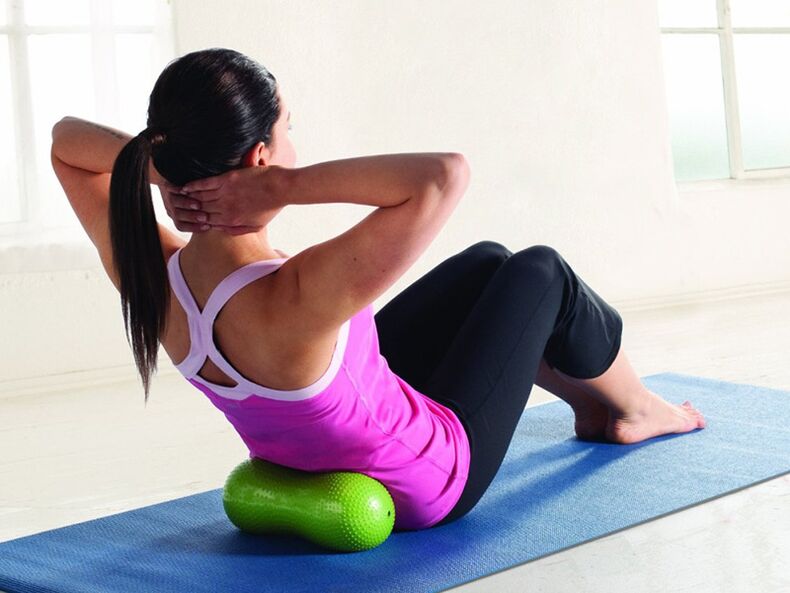
This disease doesn't like exercise.Therefore, in order to get rid of this serious scourge, it is necessary that physical exercise be firmly established in our lives.Therapeutic gymnastics can be performed daily, except during periods of exacerbation.A doctor can help you choose the right exercises and the first sessions can be carried out in a physiotherapy room under the supervision of a doctor.
The job of a physical therapist is to show how to perform exercises correctly and to help select the correct rhythm, amplitude and duration of exercises.In the future, you need to carry out physiotherapy at home, not forgetting that the load must be increased gradually and all movements must be performed smoothly.
Daily exercises strengthen the neck muscles, relieve pressure on the intervertebral discs and serve as a good prevention of osteochondrosis.
Prevention of cervical osteochondrosis
It's no secret that prevention is the best treatment.And the sooner you do it, the fewer health problems there will be in the future.
When should preventive measures be taken?Of course, it's better from childhood.If you are a parent of a preschooler, do not limit the child's natural desire for physical activity.It is not necessary to enroll him in a sports section - let him run, jump on the street, buy a skipping rope, a tire, a bike, a scooter.Set up a sports corner at home, think of interesting exercises or find them on the Internet, make a game out of them and have fun doing them yourself.
If your child is already a school-age child, pay attention to how he sits at the desk, whether it is comfortable and whether he has to bend over too much to lift notebooks and textbooks.Remember that a child's knees should be bent at a 90 degree angle when sitting on a chair?The same degree should be between the hips and the spine.If the angle is not maintained, you will need to adjust the height of the chair or table.The chair should have a comfortable seat, armrests and a high backrest on which you can rest your elbows while relaxing.
Pay attention to the height of the monitor - when sitting, your eyes should look at the top of the monitor and the keyboard should be below elbow height.Check how comfortable it is for you and your child to sit at your desk.Do you feel comfortable when you do a sedentary job at a desk?If not, think about how you can help yourself.Maybe you can change the height of your chair, raise the monitor or invest in a stylish footrest.
Pay attention to your posture when working.No offense, remember how animals sit, for example your favorite dog, resting the entire buttocks on the floor and extending the lower back without hunching over like a donut.After 15-20 minutes you need to take a short break.It's easier to warm up at home - you can stand up, stretch comfortably, do a few dance moves to the music and stretch your neck.
What can you do in the office when the natural urge to leave your desk often is undesirable?You can use the seated warm-up:
- Gentle turns of the head left and right, up and down, rotation in a circle, clockwise and counterclockwise (be careful not to get dizzy);
- Press your chin to your neck, then to your chest, and turn your head left and right;
- Place your palm on your forehead and press it as hard as possible (10 seconds), then move your palm to your right, left temple and the back of your head.Do you feel that your neck muscles are tense?Great;
- Massage your neck, starting from the back of your head to your shoulders, kneading your shoulders, and then gently stroking your fingers from the back of your head to your shoulders several times to ensure even blood flow.
The warm-up will be incomplete if you do not pay attention to the condition of the lower spine and arms:
- Rotate your shoulders: forward and backward, up and down 10 times;
- Bring your shoulder blades together and spread them apart, feel how pleasantly your back muscles tense and say thank you.These muscles perform static work and support our body in an upright position.But they also get tired more quickly than others, especially children.This is why children so often strive to change their sitting position.And there is no need to scold them for it;
- To relax the pelvic spine, tense and relax your gluteal muscles several times;
- Move to your legs, tense and relax the muscles of your thighs, then your shins and toes.Repeat this exercise several times.
- Squeeze your hands together into a lock and make a “wave” several times, involving your hands, elbows and shoulders in the work.
- Make a fist with four fingers and rotate your thumbs clockwise and counterclockwise several times;
- Work with your hand - clench your fist tightly, then straighten your hand with force and spread your fingers wide.
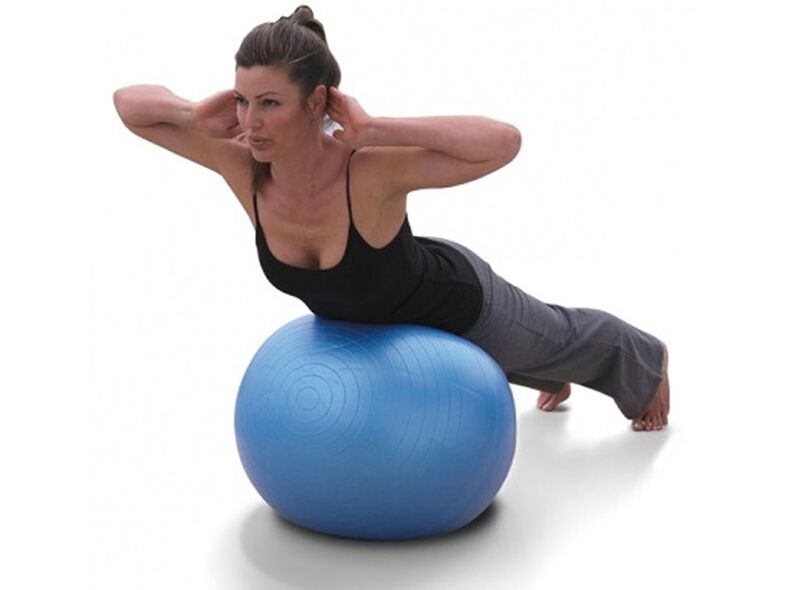
These exercises can take 3 to 5 minutes depending on the number of repetitions.You can do several approaches per day.You may wonder why you need to do exercises for the whole body if you only bother the cervical spine.The fact is that the entire spine usually suffers, so a general preventive warm-up will only bring benefits.
Interesting: The Estonian healer Luule Viilma writes that any illness is inflicted on a person in order to have time to understand his life.And the faster a person recognizes his mistakes in life, the faster recovery will occur.According to L. Viilma, fear of guilt, blame, excessive demands on oneself and others are the cause of this disease.If you understand why the illness occurred and forgive yourself and others, you can get rid of everything bad and restore health.
Physical activity and simple exercises must be integrated into your daily routine.You don't have to study for hours, especially if you don't have time for it.You can find videos with short warm-up exercises on the Internet.To lose weight and relieve the load on the problematic part of the spine, you should pay attention to the Tabata method exercise system, which suggests performing exercises at a high pace with certain rest and stress intervals.
Attention: Before engaging in such physical activity, you need to contact specialists and choose the optimal exercises.During periods of exacerbation of osteochondrosis, you cannot practice using such a system.
To reduce the strain on the cervical spine, it makes sense to maintain a comfortable posture when sleeping.For your neck and head, using the perfect orthopedic pillow is an ideal option.
What else can be said about prevention?Of course, this includes a sensible diet, monitoring body mass index, exercise, walks in nature and, above all, the desire to be healthy.Our health is in our hands and every person must take advantage of this gift.